Category: Mythology Background
-
What Is a Miko? Japan’s Shrine Maidens as Mediums, Ritualists, and Keepers of the Sacred
Introduction: Japan’s Shrine Maidens and the Legacy of Sacred Mediation For many visitors to Japan, miko appear as striking figures in red hakama and white robes, assisting at Shinto shrines during festivals and New Year rituals. But behind this elegant, almost iconic image lies a far older and more intricate story—one that reaches back to:…
-
The Bewitching Cats of Japan: A Curated Guide to Bakeneko and Nekomata
Introduction: Where Familiar Pets Become Unfamiliar Spirits In Japanese folklore, no creature slips more elegantly between the domestic and the uncanny than the cat. Across woodblock prints, folktales, temple legends, and Edo-period stage plays, cats evolve into beings of both beauty and unease—beings that watch, remember, transform, and sometimes avenge. Japan’s cat yokai are neither…
-
Rokurokubi: Japan’s Shape-Shifting Yokai of the Night—and the Woman Behind the Myth
Introduction: The Woman Whose Neck Does What Her Heart Cannot Among Japan’s many yokai, few are as visually arresting—or as culturally revealing—as the ろくろ首 (rokurokubi). By day, she appears perfectly human. By night, her body betrays her in spectacular ways: Manifestation Description Neck elongation Her neck stretches like a coiling serpent while her torso remains…
-
Ikiryo: When the Living Become Spirits of Vengeance in Japanese Folklore
Introduction: Spirits Born Not from Death, but from Emotion Among the many spectral figures in Japanese folklore, few challenge Western assumptions about ghosts as sharply as 生霊 (ikiryō)—literally, “living spirit.” Where Western traditions imagine ghosts as the dead returned, Japan developed a parallel concept: spirits that emerge before death, called forth not by the grave,…
-
Human Pillars: The Tragic Japanese Ritual Built Into Bridges and Castles
Introduction: Japan’s Saddest Tradition Among the shadows of Japanese folklore lies a practice that feels almost too tragic to be real. It is called 人柱 (hitobashira)—literally “human pillar.” Though often remembered as superstition or ghost story, the idea touches something fundamental in Japan’s history: What Were Human Pillars? The term hitobashira refers to a ritual…
-
Visiting the Korean Underworld: What Jeoseung Seolhwa Reveal About Life After Death
What Are Jeoseung Seolhwa? When Koreans speak of the afterlife, they rarely begin with abstract doctrine. Instead, they tell stories. 저승설화 (jeoseung seolhwa) are “underworld tales”—narratives that imagine what happens in 저승 (jeoseung), the Korean land of the dead. In scholarship, you will also encounter terms such as: Korean Term English Equivalent 저승 체험담 Underworld…
-
What Is the Joseung-saja? Korea’s Emissary of Death Between Terror, Laughter, and the Afterlife
Why Examine the Korean Emissary of Death? If you have encountered Korean supernatural media — from vintage television horror such as Hometown of Legends (전설의 고향) to contemporary works like Along with the Gods (신과 함께) or Goblin (도깨비) — you have likely seen him: a tall figure clad in black robes and a wide-brimmed…
-
When Ghost Romance Becomes a Practical Joke: Geumo Sinhwa
Why Examine “Corpse-Love” at All? Among the many branches of East Asian supernatural storytelling, few are as unsettling — and as culturally revealing — as 시애설화 (屍愛說話, siaeseolhwa): tales in which a living person falls in love with the dead. For premodern Korean readers, these were not mere sensational pieces. They were narrative laboratories in…
-
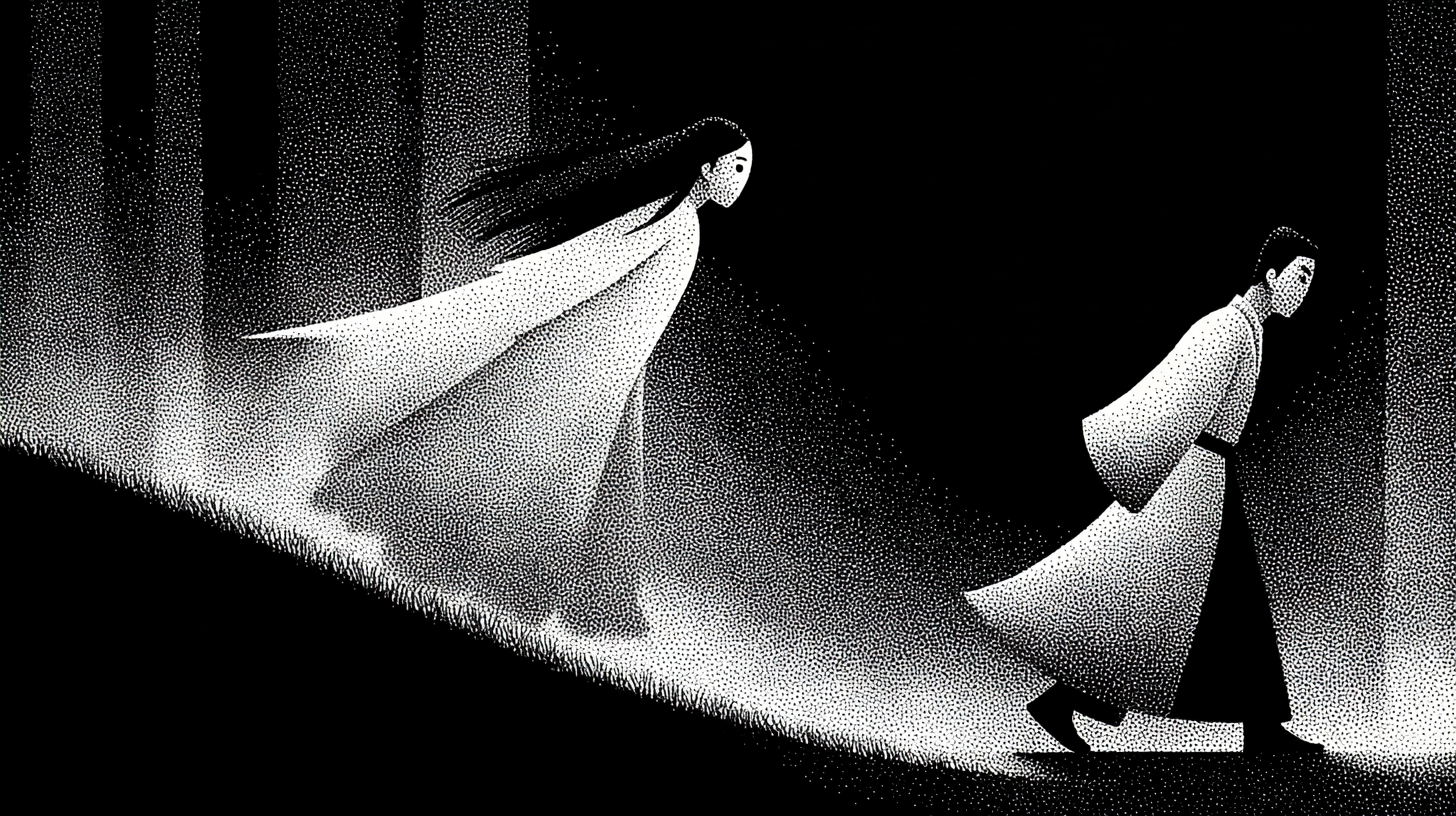
From Corpse-Love to Comedy: How Jongokjeon Transforms Ghost Romance into Social Satire
Impossible Love, Rewritten as Farce In earlier Korean literature, 시애설화 (屍愛說話, siaeseolhwa), or corpse-love tales, posed a chilling question: What if the person you love turns out to be dead? By the late eighteenth and early nineteenth centuries, however, writers were no longer content with simply frightening readers. They began to manipulate the familiar ghost-lover motif — twisting it into…
-
Corpse-Love Tales and The Nine Cloud Dream: How Korean Literature Crosses the Line Between Life, Death, and Illusion
Introduction: Love That Shouldn’t Exist Some kinds of love are not supposed to happen. In Korean storytelling, two such impossible loves stand out: On the surface, these belong to different shelves of the literary archive: one sits under folk ghost lore, the other under classical Buddhist dream-romance. Yet both pose the same unsettling question: What happens when…
-
When the Dead Fall in Love: Understanding Korea’s “Corpse-Love Tales” (Siaeseolhwa)
Introduction: A Genre Defined by the Impossible Among the many branches of East Asian supernatural storytelling, few are as beguiling as 시애설화 (siaeseolhwa), often translated as corpse-love tales or living–ghost romances. These are not horror narratives in the modern sense but literary meditations on longing, fate, and the boundaries between worlds. In these tales, a living human forms a romantic bond…
-
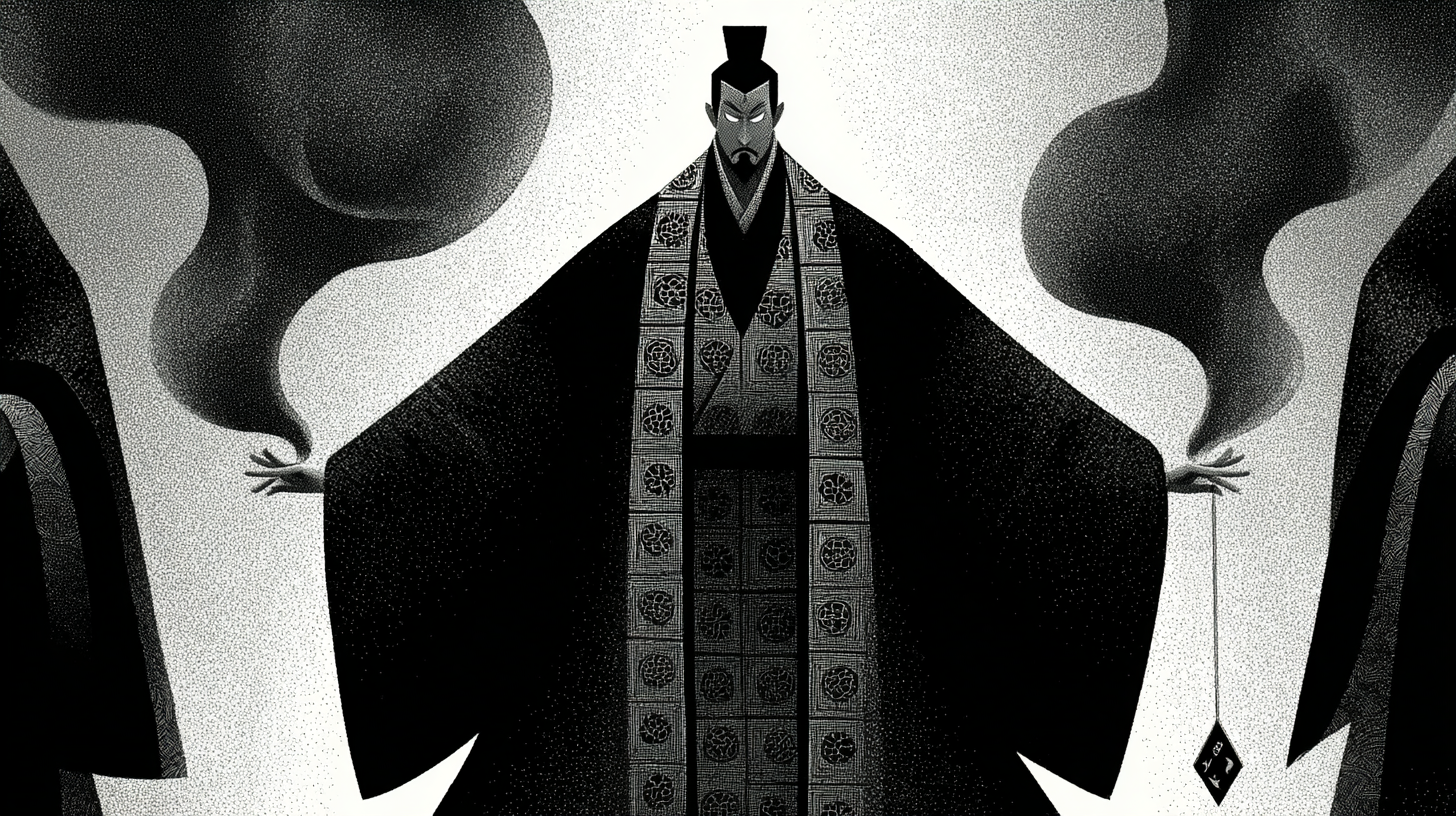
The Secret Arts of the Onmyōji: A Complete Guide to Japan’s Ancient Mystical Techniques
Long before anime and video games made onmyōji household names, these mysterious figures wielded actual influence over emperors and aristocrats in ancient Japan. They weren’t just fortune-tellers—they were the imperial court’s frontline defense against supernatural threats, cosmic imbalances, and the unpredictable whims of fate. But what exactly did they do? What were the spells, the…
-
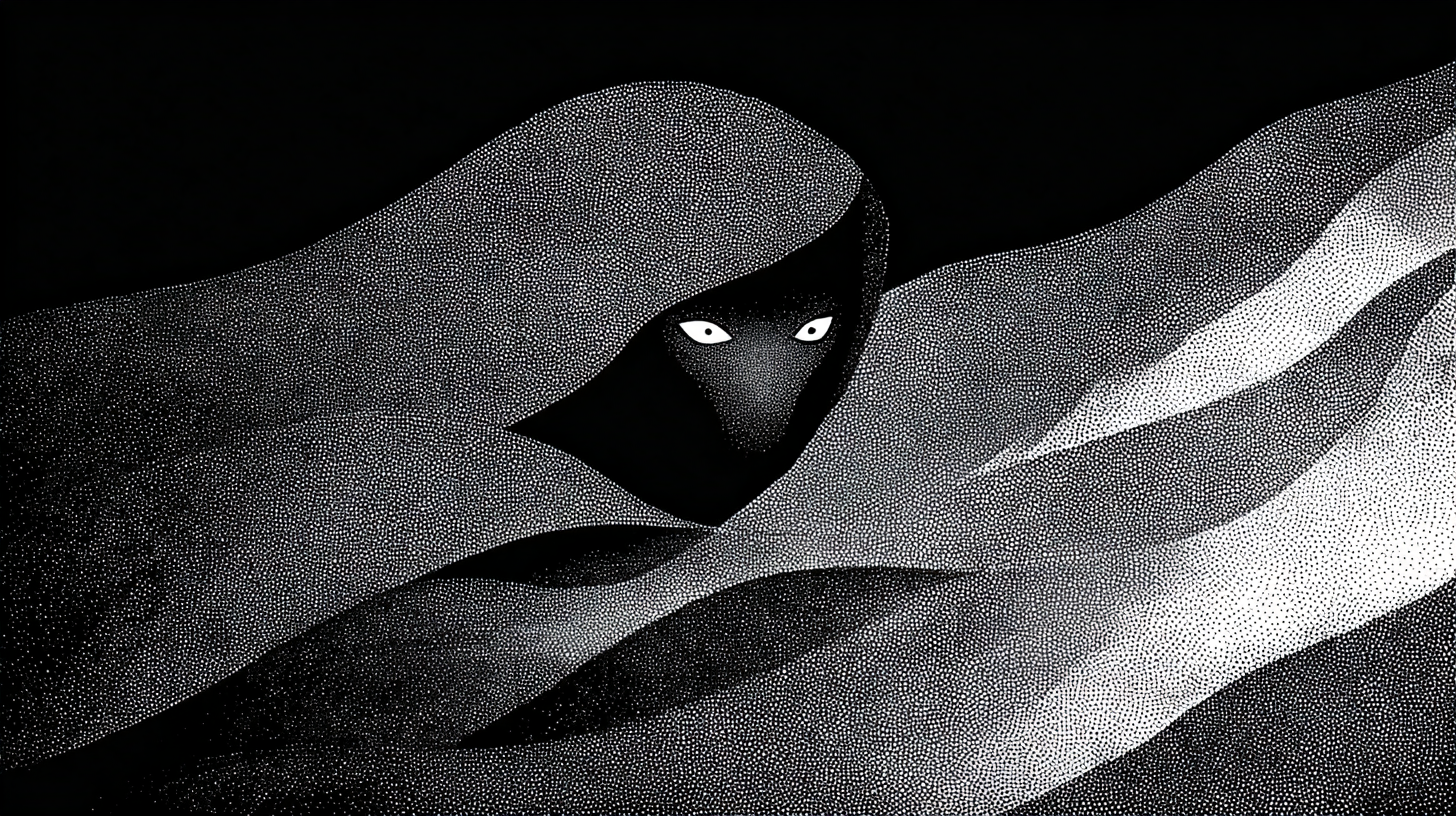
Wonhon Seolhwa: The Vengeful Spirits of Korean Folklore and the Philosophy of Justice They Embody
Introduction: Why Vengeful Spirits Stand at the Heart of Korean Folklore If Kwaidanote—this series exploring East Asian supernatural narratives—has a central axis, it is this: the human soul does not remain silent. In East Asian folklore, especially in Korea, the dead speak, insist, demand, and intervene. And among the many supernatural narratives passed down through centuries,…