Why This Story Matters
Korean folklore contains some of East Asia’s most psychologically complex supernatural narratives, and the dokkaebi club tale stands as one of its most enduring examples. While this retelling has been adapted for English-speaking audiences—adjusting cultural references and narrative pacing for accessibility—the essential storyline, character dynamics, and moral framework remain faithful to the traditional variants documented across Korea. The adaptation process involved natural cultural translation (for instance, transforming Korean forms of address to work in English contexts) rather than fundamental alteration of plot or message. What you’re encountering here is the same story Korean children have heard for over a millennium, simply told in a voice that travels across cultures.
A Midnight Encounter That Changed Everything
Two brothers. One magical club. An irreversible choice made in a mountain hut at midnight.
This tale asks a deceptively simple question: when fortune literally falls into your lap, does it reflect your character—or does it create it? The answer, as one brother discovers through reward and another through punishment, lies in what you carried in your heart before the magic ever appeared. The dokkaebi spirits, with their reality-altering clubs and their peculiar combination of supernatural power and childlike gullibility, serve as the perfect adjudicators of this ancient test.
The Tale: An Overview
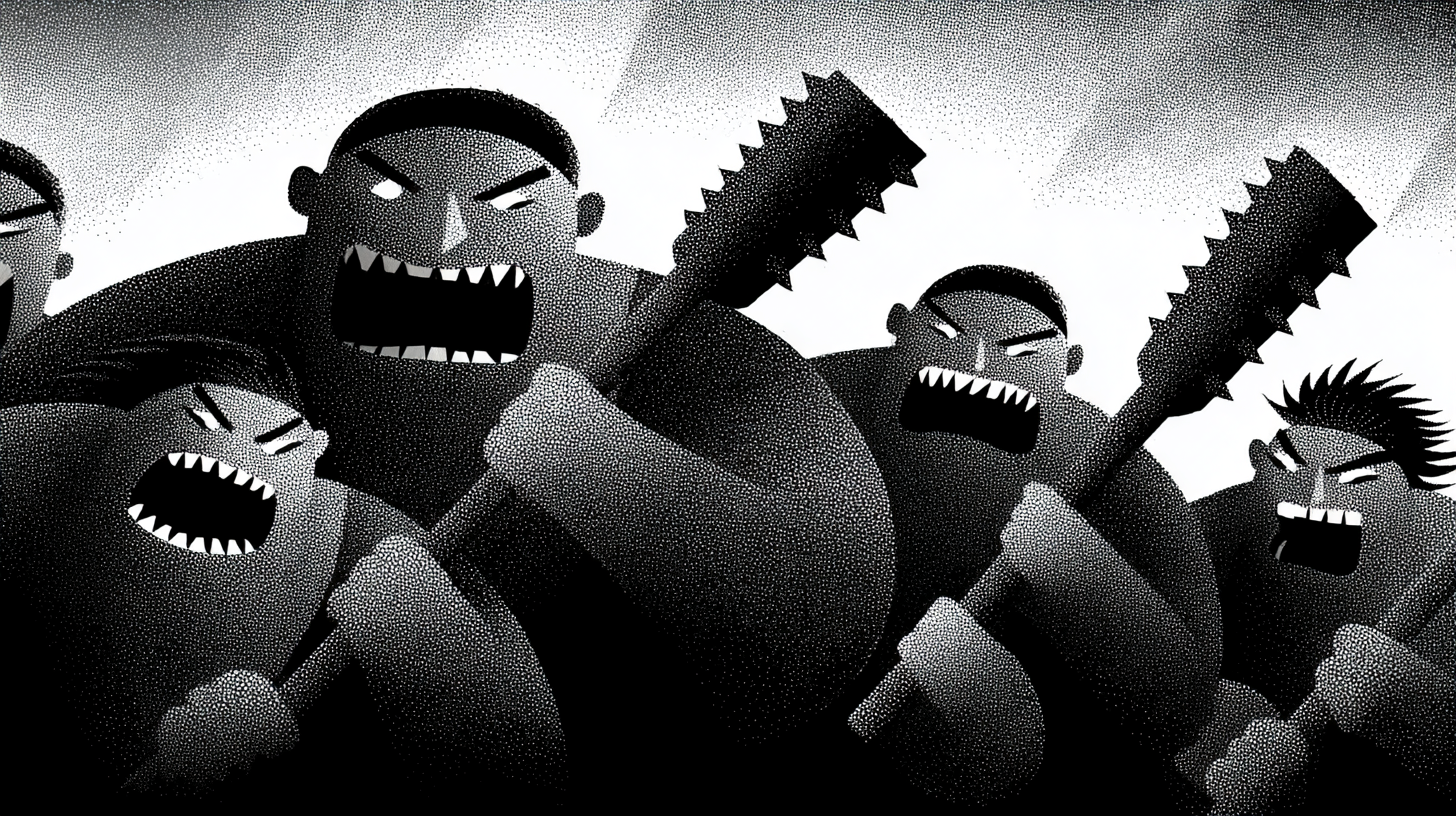
In traditional Korean folklore, “The Dokkaebi’s Club” follows a contrasting pair of brothers living in a mountain village. The younger brother embodies diligence and filial devotion, working daily to provide for his family while his elder brother exploits his labor. During one wood-gathering expedition, the younger brother becomes lost in the mountains and takes shelter in an abandoned hut. That night, he inadvertently witnesses dokkaebi spirits—Korea’s distinctive supernatural beings—conducting a feast generated by a magical club that materializes treasure on command.
Through an accidental sound (the cracking of a hazelnut), the younger brother frightens the dokkaebi into fleeing, leaving behind both their magical implement and their conjured wealth. When the elder brother learns of this windfall, his greed compels him to replicate his sibling’s experience. However, the dokkaebi—having lost their precious club to trickery—are prepared for a second intruder. The elder brother’s calculated attempt at deception results not in treasure but in severe punishment, ultimately transforming his character through painful consequence.
The narrative employs the mobangdam (imitation tale) structure prevalent in Korean folklore, wherein a second character’s attempt to replicate another’s fortunate experience reveals moral inadequacy. The tale’s power lies in its suggestion that supernatural reward flows not from clever action but from authentic virtue—a distinction the dokkaebi spirits somehow intuitively recognize despite their apparent foolishness.
Beyond the Story: Cultural Context
Several fascinating elements surrounding this folktale deserve attention:
Ancient Literary Pedigree: This story type appears in the 9th-century Chinese text Yuyangzazu (酉陽雜俎) as a Silla-era Korean tale called “Bangi Seolhwa,” making it one of Korea’s earliest exported narratives. The fact that Tang dynasty Chinese scholars found this Korean story compelling enough to record suggests its cross-cultural resonance even in antiquity.