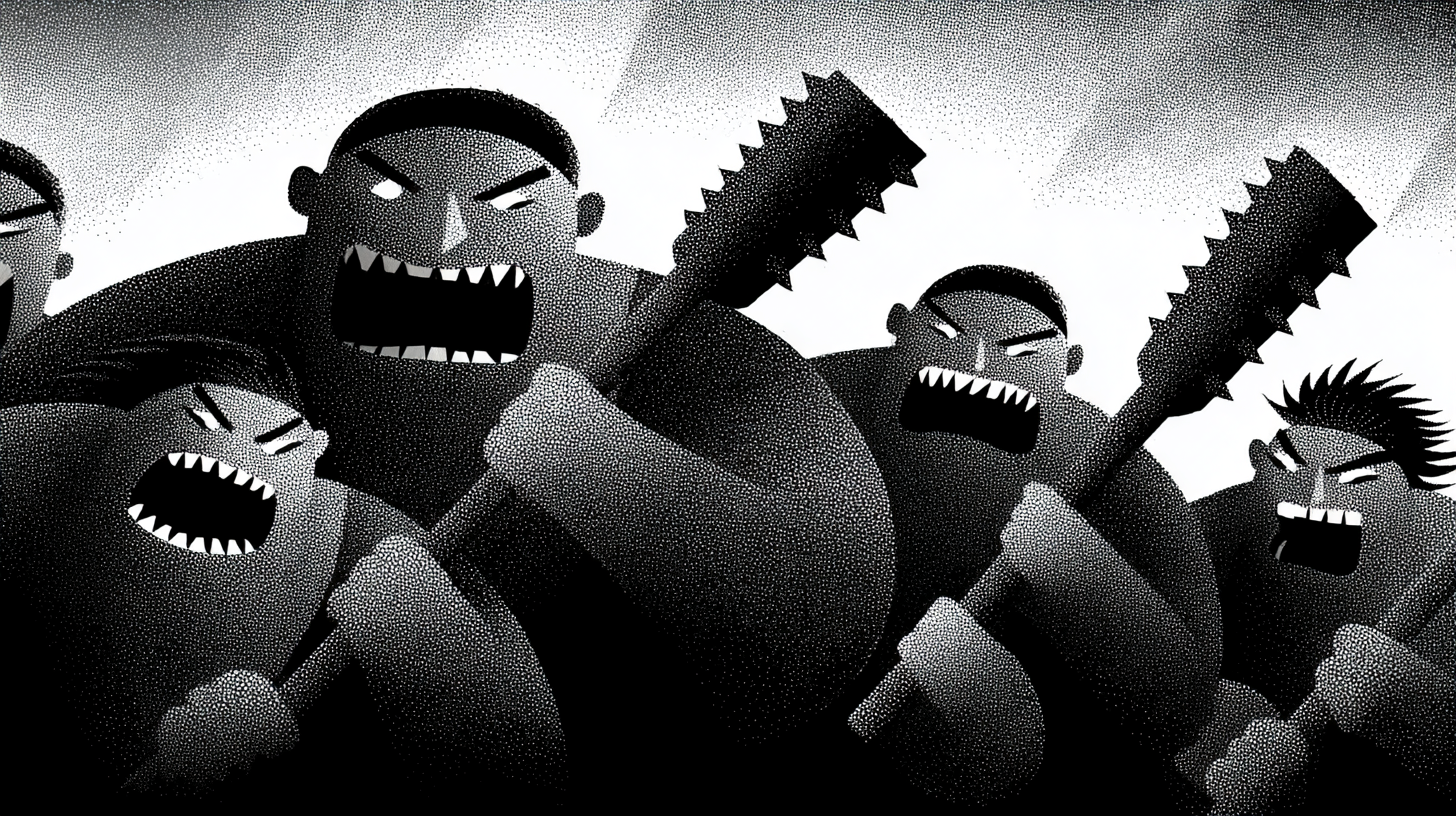
The Dokkaebi Paradox: Korean dokkaebi occupy a unique position in East Asian supernatural taxonomy. Unlike the oni of Japanese folklore (with which they’re often confused) or Chinese demon classifications, dokkaebi combine trickster attributes with wealth-generating abilities. They’re simultaneously powerful and foolish, dangerous and ultimately harmless to the virtuous. This reflects a distinctly Korean approach to the supernatural—beings who operate by recognizable moral logic while remaining fundamentally unpredictable.
Socioeconomic Subtext: Scholarly analysis reveals that the brother conflict carries deeper meaning than simple moral lesson. In variants where the selfish older brother holds traditional primogeniture privilege, his portrayal as antagonist subtly critiques inherited advantage within Joseon-era social structures. The tale transforms from simple didactic fable into commentary on whether virtue or birthright should determine fortune—a surprisingly progressive narrative thread for traditional folklore.
The Hazelnut Detail: The specific use of hazelnuts (or gaejam in Korean) as the triggering element appears consistently across regional variants. This botanical specificity suggests possible shamanic or folk-belief significance to the nut—perhaps as a protective charm or spirit-world boundary marker—though the exact symbolic meaning has been lost to time.
Literary Influence: Folklorists recognize this tale as a foundational influence on Heungbu-jeon, one of Korea’s most beloved pansori novels. Both employ brother-imitation structures, though Heungbu-jeon inverts the birth order and adds complexity through additional narrative layers. The dokkaebi club story essentially provided the skeletal framework that later evolved into more sophisticated literary forms.
Regional Variations: The Encyclopedia of Korean Folk Literature documents versions from Gyeongsangnam-do to Jeolla-do, with fascinating variations in punishment methods. Some variants have the greedy brother merely beaten; others describe grotesque body distortions (elongated limbs or features) as lasting reminders of his avarice. The severity of consequence appears to correlate with the tale’s regional moral emphasis.
The enduring appeal of “The Dokkaebi’s Club” lies in its elegant simplicity masking sophisticated insight: fortune gravitates toward authenticity, not performance. The magical club doesn’t respond to correct actions or clever replication—it responds to the quality of character that preceded the encounter entirely. In an era of self-optimization and strategic life planning, this ancient Korean wisdom offers a refreshingly different perspective on how genuine good fortune actually operates.
Latest Posts
- The Emperor Who Became Japan’s Most Feared DemonThe Abdication Trap In 1141, Toba forced Sutoku to abdicate in favor of a younger prince, Emperor Konoe. The abdication decree contained… Read more: The Emperor Who Became Japan’s Most Feared Demon
- Why Korea’s Greatest Geomancer Couldn’t Find a Burial Site—And What That Tells Us About KarmaThe Interesting Bits They Don’t Tell You Beyond the central narrative, this tale carries several layers worth noting: The Geomancer’s Dilemma Yi… Read more: Why Korea’s Greatest Geomancer Couldn’t Find a Burial Site—And What That Tells Us About Karma
- The Matsutooya Haunting: When Two Living Spirits Turned Deadly in Edo-Period KyotoThe second spirit also eventually regained consciousness and revealed she was still alive. Ashamed and unable to face the boy, she refused… Read more: The Matsutooya Haunting: When Two Living Spirits Turned Deadly in Edo-Period Kyoto