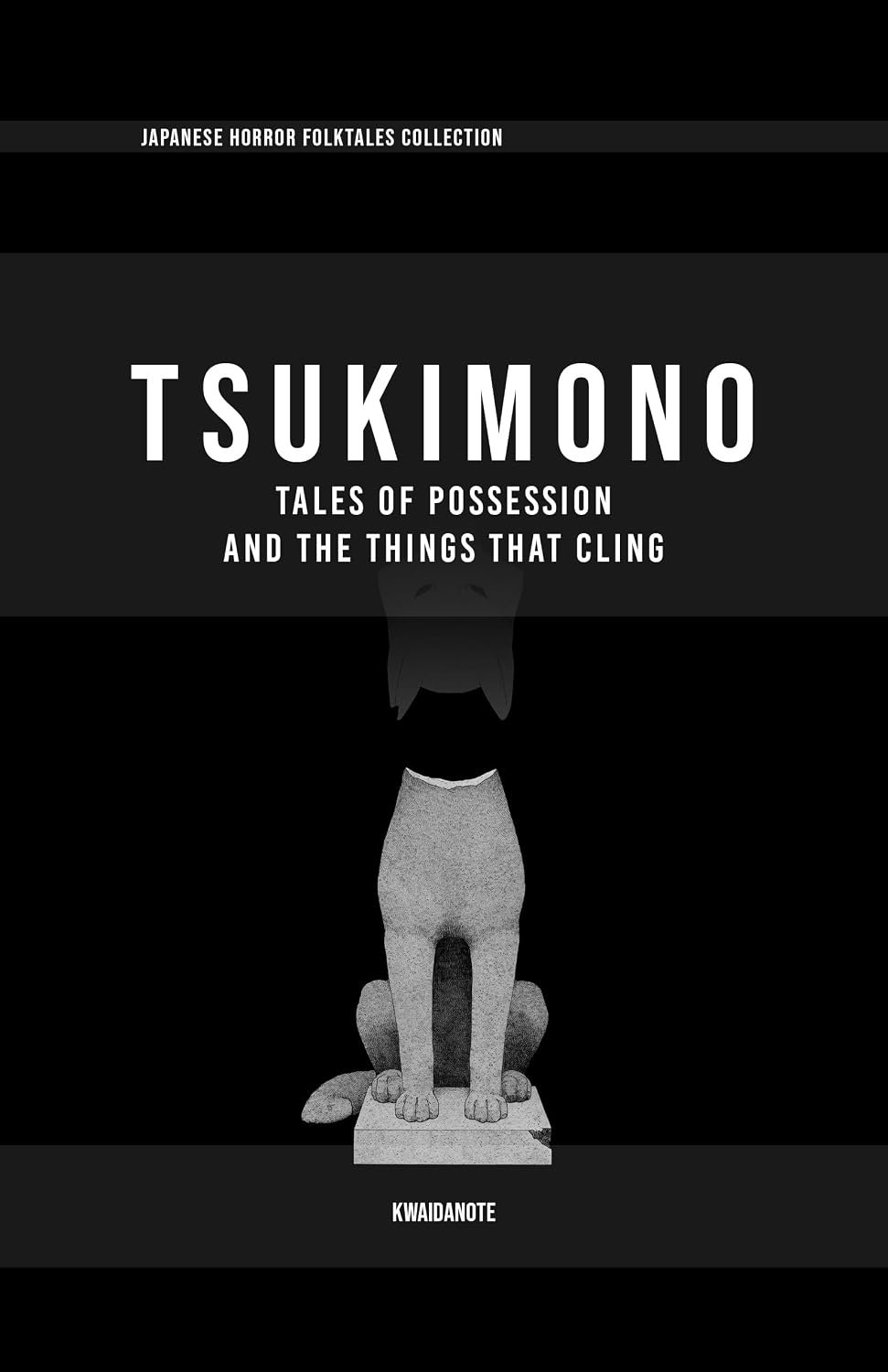
TSUKIMONO
Thirty Japanese tales of tsukimono — the thing that gets into a person, or into a household, and does not easily leave.
Something gets into a person, and afterwards the person is not the only one speaking. Japanese has a word for the thing that gets in — tsukimono, the thing that attaches — and it names the attachment rather than the person. Japanese records set that event down for more than a thousand years, and in all that time they never agreed on what it was.
This is a book about what was believed, and about what was done because of the belief. Nothing in it is offered as evidence that anyone was ever possessed, and nothing in it says that any family, then or now, was dangerous. Where these pages record a village that marked a household, or a domain that burned one, they are recording a persecution.
34 tales in this volume
- The Child at the Gate
- Seven Days of Ink
- The Gap it Could not Find
- The Road Back to Takasaki
- The Geta At
- The Vegetable Shop
- The Road That
- Was not the Road
- The Murrain at Kurayoshi
- The Cold on the Left Side of the Forehead
- The Field Kuda
- The Woman of Yamada District
- The Fish that Went Bad
- The House They Called Wakuri
- The Man who Burned his Own House
- The Houses at Hirose
- A Handful of Grass
- The Small Pot and the Red Cloth
- The Paper the Priest Sealed
- The Fox who Asked for Rice Cake
- The Old Woman and the Bamboo Saw
- Water for the Thing at the Edge of the Verandah
- The Silkworms
- The Shrine on Tabushi Mountain
- The Cool Wind at the Hour of the Sheep
- What the Doctors
- Took Out
- The Bell over the Roof
- The Grave by the Road
- At Kinosaki
- The Fly
- The Two at the Kinu River
- The Scissors
- The Questions Nobody Asked