Subject
Goryō 御霊
The august spirits: wronged dead who were not merely appeased but enshrined and worshipped as gods. In 863 the court opened its own walled garden for a formal rite with sutras, music, and children dancing before the seats of the dead.
Notes
- The Emperor Who Became a Demon Emperor Sutoku, the onryō of Sanuki: a curse recorded in court diaries and temple records.
- Three Names for the Dead Yūrei, onryō, goryō: three words the Japanese record uses for a dead person, and the difference between the last two is something the living decided.
- Masakado's Head in the Financial District A tenth-century rebel's head was exposed in Kyoto. The mound said to hold it stands among Tokyo's banks, kept by a society with a renovation schedule.
- The Scholar They Made a God Sugawara no Michizane is the deity students pray to before examinations. What the court enshrined first was not his learning but his anger.
Volume
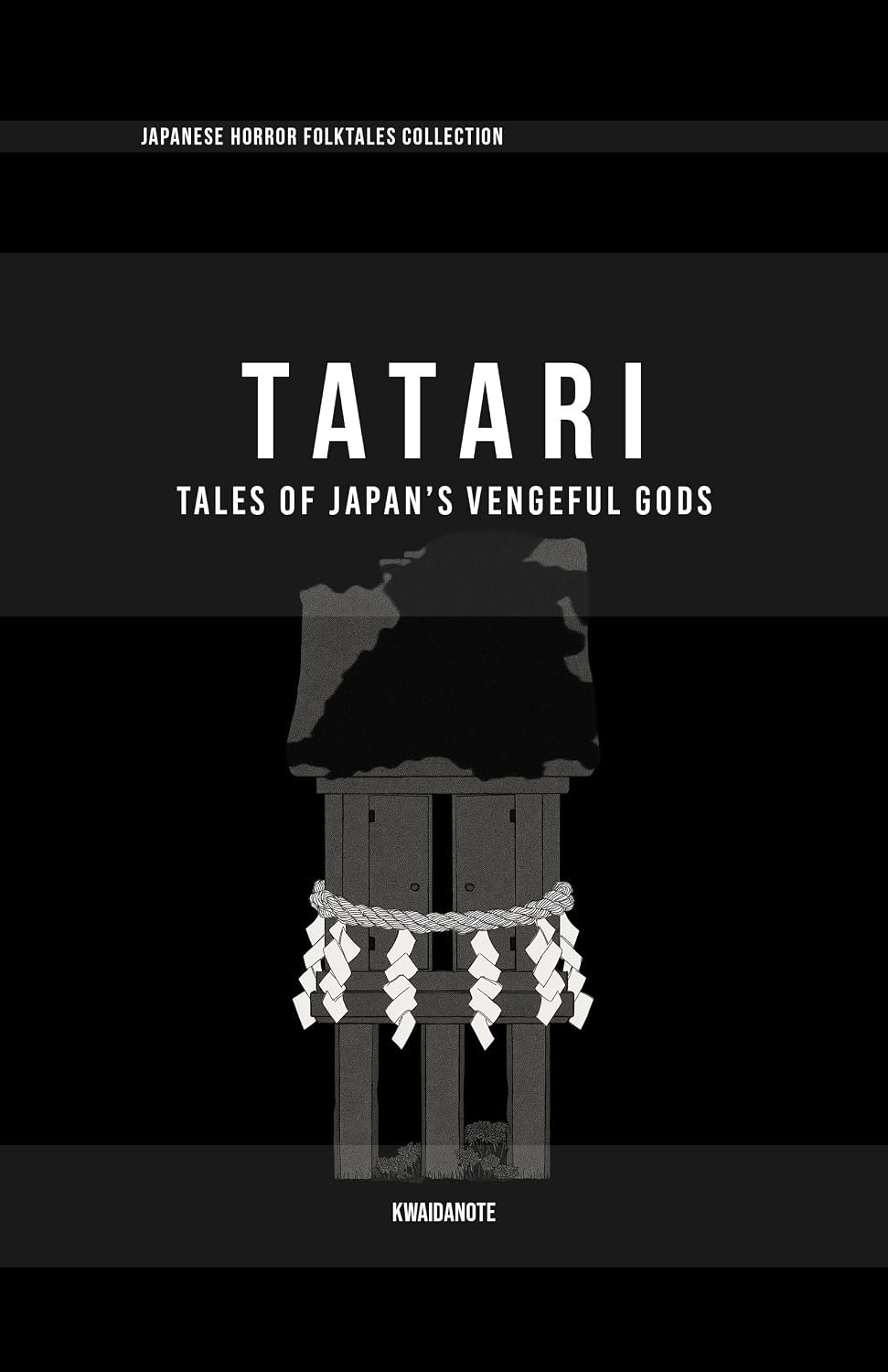
Japanese Horror Folktales Collection
TATARI
Tales of Japan's Vengeful Gods
Twenty-one Japanese tales of tatari — the anger that outlives a life: gods who declare a plague their own will, and dead men whose grievance a state was forced to answer.
Included with Kindle Unlimited